
B2B founders often focus on macro conversions like sales, sign-ups, or demo requests as their main success metrics. These events are important because they bring in revenue, but they are lagging indicators. By the time you notice changes in these metrics, it’s usually too late to make a difference. In markets with long sales cycles, waiting for a purchase or signed contract is a reactive and risky approach.
To achieve predictable growth, you need to balance micro and macro conversions. Micro conversions are smaller actions like page visits, downloads, or video views that happen earlier in the customer journey. They serve as leading indicators. When tracked well, they show intent and help predict revenue.
In this article, you’ll find a step-by-step approach for building a scalable conversion system:
Learn the difference between micro and macro conversions and why timing matters.
Identify and track the right micro conversion actions that signal future revenue opportunities.
Understand the layered framework to capture behavior, measure intent, and automate follow-up with CRM integration.
See how these steps link micro signals to revenue, predictive modeling, and proactive campaign adjustments.
This overview will help you quickly spot the main phases, so you can apply these ideas to your own growth strategy.
What Is a Macro Conversion?
Macro conversions are primary, business-critical actions that deliver direct value to the company. They often occur at the bottom of a funnel and include activities such as purchasing a product or subscribing to a paid service. Because they occur infrequently and only after multiple touchpoints, macro conversions clearly demonstrate that marketing and sales activities generated financial value.
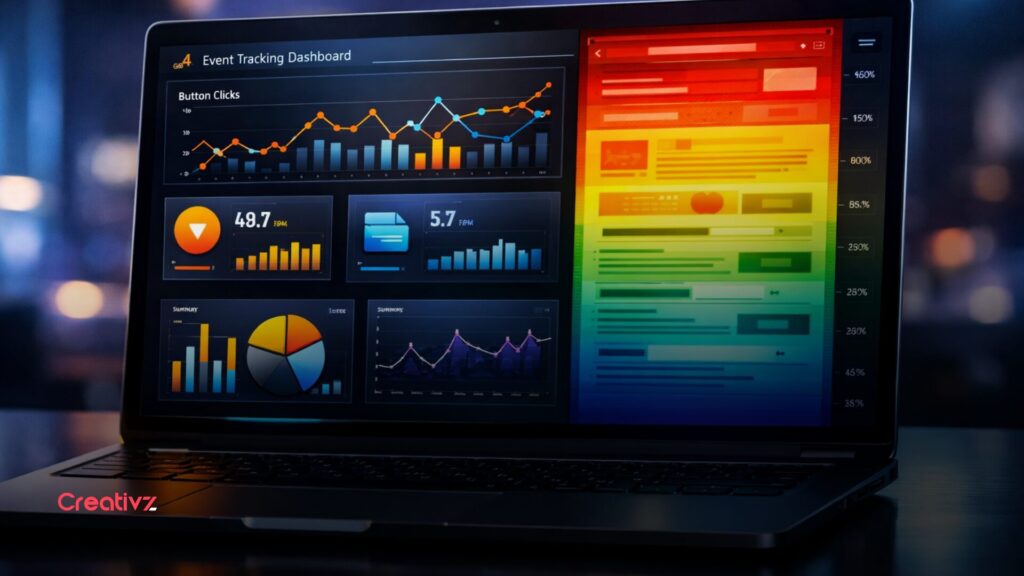
Examples of macro conversions
Macro conversions are the clear revenue-driving actions in your funnel. Common examples include:
- Completed purchase: A customer adds items to a cart and completes checkout.
- Paid subscription or upgrade: A user signs up for a premium plan or upgrades from a free tier.
- Demo or consultation request: Prospects book a demo or request a sales consultation via a form.
These macro-conversion examples are lagging indicators because they occur after several touchpoints and demonstrate that your marketing and sales efforts led to financial results.
Why macro conversions are lagging indicators
Macro conversions happen at the end of the decision process. They confirm that revenue was made but don’t explain the reasons behind it. These events are binary: either a purchase happened or it didn’t. By the time you see a drop in conversions, problems like unclear messaging or friction have already affected your funnel. Lagging indicators are helpful for reporting, but they don’t let teams act early. If you focus only on macro outcomes, you end up reacting rather than planning, which makes growth unpredictable.
What Is a Micro Conversion?
Micro conversions are smaller, trackable actions that show interest or progress toward a bigger goal. They occur throughout the early and middle stages of the funnel and include actions such as clicking a button, watching a video, or visiting a pricing page again. These actions don’t bring in revenue directly, but they show that intent is building. Since they happen more often, micro conversions give useful signals and help you spot problems early. For a deeper look at how micro conversions work and how to track them, see What Are Micro Conversions? Examples, Benefits, and Tracking Tips.
Examples of micro conversions
Micro conversions are the small steps that show a visitor is getting closer to a macro goal. Examples include:
- Button or link click: Users click on links to products, services or resources.
- Add to cart or wishlist: Shoppers add items to their basket without checking out.
- Newsletter sign‑up or form start: Visitors subscribe to updates or begin filling out a form.
- Video or webinar engagement: Prospects watch a video or webinar.
- Click‑to‑call or chat: Potential customers engage with support via chat or phone.
These actions don’t generate revenue directly, but they show that intent is forming and provide helpful insights when tracked across many users.
Micro conversions as leading indicators
Micro conversions are leading indicators because they happen before revenue and are linked to future results. Actions like visiting the pricing page or returning to the site often predict whether a user will buy later. Watching these signals lets marketers step in when engagement drops and adjust campaigns before revenue is affected. Micro conversions also help diagnose problems; for example, a drop in add-to-cart rates or demo requests can explain why macro conversions are falling.
Micro vs Macro Conversions: The Critical Difference
| Micro | Macro | |
|---|---|---|
| Definition | Small, trackable actions indicating interest or progress | Primary, revenue‑critical actions like purchases or paid subscriptions |
| Funnel stage | Upper and mid‑funnel; occur throughout exploration and consideration | Bottom‑funnel; occur after multiple touchpoints |
| Frequency | Happen frequently, producing abundant data for analysis | Occur infrequently; binary outcomes |
| Indicator type | Leading indicator—predicts future performance and guides real‑time adjustments | Lagging indicator—measures past outcomes and informs long‑term strategy |
| Purpose | Diagnose friction, refine messaging and optimize user experience | Provide accountability, calculate return on ad spend and report revenue |
| Data value | Probabilistic; helps forecast revenue by weighting behaviors | Deterministic; confirms revenue occurred |
The main difference is timing and control. Macro conversions show whether revenue occurred, while micro conversions indicate whether revenue will occur. Micro conversions let you optimize early, while macro conversions only show results after the fact.
Why Site Traffic Is Stable but Not Converting
Many companies see steady site traffic but few conversions. This points to a problem with your conversion setup, not with traffic itself. If this sounds familiar, Why Your Business Doesn’t Have a Traffic Problem but a Conversion Problem breaks down exactly why this happens and how to fix it. Issues such as incorrect keywords, poor user experience, slow page load times, or weak calls to action can cause this gap. Instead of just driving more visitors to your site, identify which micro-conversions are missing and fix the friction points. Common friction points are covered in 5 Reasons Your Website Isn’t Converting (How to Fix Them). Focusing on micro signals like pricing-page visits, demo bookings, and content engagement helps improve your system rather than just chasing more traffic.

The Conversion Signal System
To turn micro clicks into macro revenue, you need more than random tactics. Based on the approach that we use at Creativz, a conversion signal system is key. This layered framework captures behavior, measures intent, automates follow-up, integrates with your CRM, and tracks revenue. This system turns qualitative signals into measurable forecasts and grows as your pipeline grows.
Layer 1: Behavioral Capture
Start by tracking every important action across all channels. Use GA4 to track clicks, video plays, downloads, and other key behaviors. Alternatively, platforms like Mixpanel and Amplitude offer event tracking and product analytics that can be especially useful for B2B teams looking for deeper funnel analysis or who are not using GA4. These first-party components provide the basic micropower that powers the rest of your system.
Layer 2: Intent Weighting
Give each micro action a weight based on how much it relates to future revenue. For example, a visit to a pricing page is more important than reading a blog post. Lead scoring models combine behaviors such as page visits and email engagement with details like job title or company size, and then use predictive algorithms to fine-tune these weights. Understanding 9 Psychological Triggers in Marketing That Influence Conversions helps explain why certain behaviors carry more weight than others.
Layer 3: Automation Routing
After you calculate scores, set up automated workflows. Leads with high scores get targeted nurturing or sales outreach, while those with lower scores stay in regular marketing. Automation ensures intent signals lead to quick action rather than getting lost in manual processes. For a broader look at how automation supports this, see How Smart Automation Frees Founders and Boosts Predictable Revenue in 2026.
Layer 4: CRM Integration
Centralize behavioral and intent data in your CRM or customer data platform. Unified datasets (cost per click, site visits, add-to-cart events, and lifetime value estimates) are necessary for predictive revenue modeling. Real-time scoring and segmentation let teams act on signals immediately.
Layer 5: Revenue Attribution and Forecasting
Finally, link micro behaviors to revenue results. Predictive models look at patterns in site visits, add-to-cart rates, and checkout conversions to estimate future revenue. Statistical algorithms show which leads are most likely to buy and help forecast your pipeline. Instead of waiting for macro conversions, this system highlights early signals and their revenue potential.
How to Track Micro Conversions Properly
Tracking micro conversions well is more about strategy than just using tools. Begin by identifying micro actions that drive revenue, such as pricing page visits, demo video completions, or repeated logins. Then:
- Use GA4 for event‑level data: Google Analytics 4 provides in‑depth lifecycle insights and lets you define custom conversion events. Mark high‑value micro actions as conversions to see their contribution to revenue.
- Integrate with your CRM: Send behavioral events to your CRM or CDP so lead scores update in real time. This centralizes data and avoids siloed decision-making.
- Apply lead scoring and predictive models: Assign scores based on implicit behaviors and explicit attributes, and refine them using predictive modeling algorithms.
The goal isn’t to track everything, but to focus on the signals that matter most for your business. For SaaS companies, trial activations and onboarding completion may predict revenue better than webinar sign-ups. In professional services, repeated visits to case studies and proposal downloads might be more important. Once you know which pages drive the most signal, it’s worth reviewing 3 Website Pages That Drive 80% Of Your Results (And How To Fix Them) to make sure those pages are built to convert.
As a benchmark, SaaS businesses often see trial-to-paid conversion rates in the 15-25% range, while onboarding completion rates typically fall between 40% and 60%. For micro conversions like webinar registrations or content downloads, conversion rates typically range from 10% to 30%. In professional services, rates for actions such as proposal downloads or case study visits can vary widely, but a 5-15% conversion from content engagement to a qualified lead is typical. These common benchmarks give you a reference point to assess whether your micro conversion rates are on track or signal room for improvement.
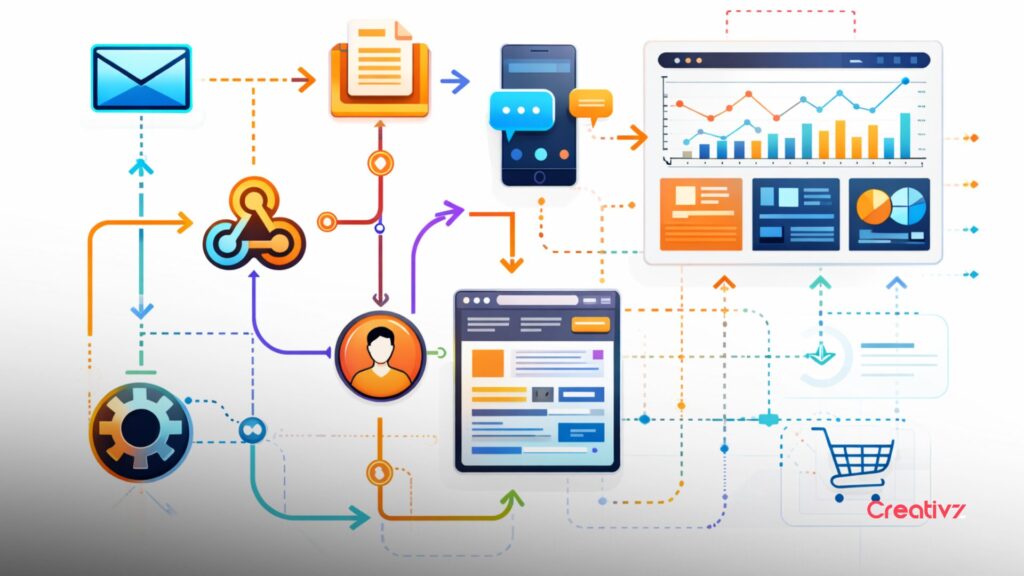
Micro Signals as Predictive Revenue Modeling
Micro conversions are more than just optimization metrics; they are key inputs for predicting revenue. When you track and weigh them correctly, they help you forecast revenue and plan resources. Predictive models use data like cost per click, site visits, add-to-cart events, and checkout conversions to estimate future revenue. By linking micro behaviors to macro results, these models calculate conversion rates and lifetime values.
Predictive lead scoring makes this process even better. Statistical algorithms look at past and current data to find which leads are most likely to close. Instead of guessing, the algorithm learns from past conversions and keeps scores up to date. With automation and CRM integration, predictive scoring turns micro signals into top tasks for sales and marketing. Moving from looking back at results to forecasting revenue helps you plan your budget and spot problems before they affect your bottom line. For founders looking to build this into a full system, Email Marketing in 2026: Why Full-Funnel Automation Beats Random Emails shows how to connect these signals to your nurture flows.
For example, a B2B SaaS provider used predictive lead scoring by tracking actions such as repeat visits to the pricing page, demo video completions, and email engagement. By assigning higher scores to these behaviors in their CRM, they quickly identified high-intent accounts and routed them to sales. As a result, the team reduced lead response times and increased demo-to-close rates within one quarter. This practical approach turned micro conversion signals into early wins and made revenue forecasts more accurate.
Final Thought
Macro conversions will always be important because they show actual revenue. But they are lagging indicators. They tell you what already happened, not what’s coming next. Micro conversions are leading indicators. They show interest, intent, and friction before a purchase. By building a conversion signal system that tracks behavior, measures intent, automates follow-up, connects with your CRM, and tracks revenue, you create a scalable way to grow revenue.
If your site has steady traffic but low conversions, the problem isn’t traffic—it’s a signal issue. By focusing on micro-signals and linking them to automation and predictive models, you open new avenues for growth. Instead of just reacting to past results, you build a system that forecasts revenue and lets your team act while it still matters. To take the next step in building this system end to end, 6 Steps to Turn Visitors into Customers gives you a practical starting point. That’s how you move from chasing random clicks to turning micro clicks into real revenue.
Ready to see where your growth is getting stuck? Book a Digital Growth Audit and get a clear, actionable roadmap to unlock your next stage of revenue.
